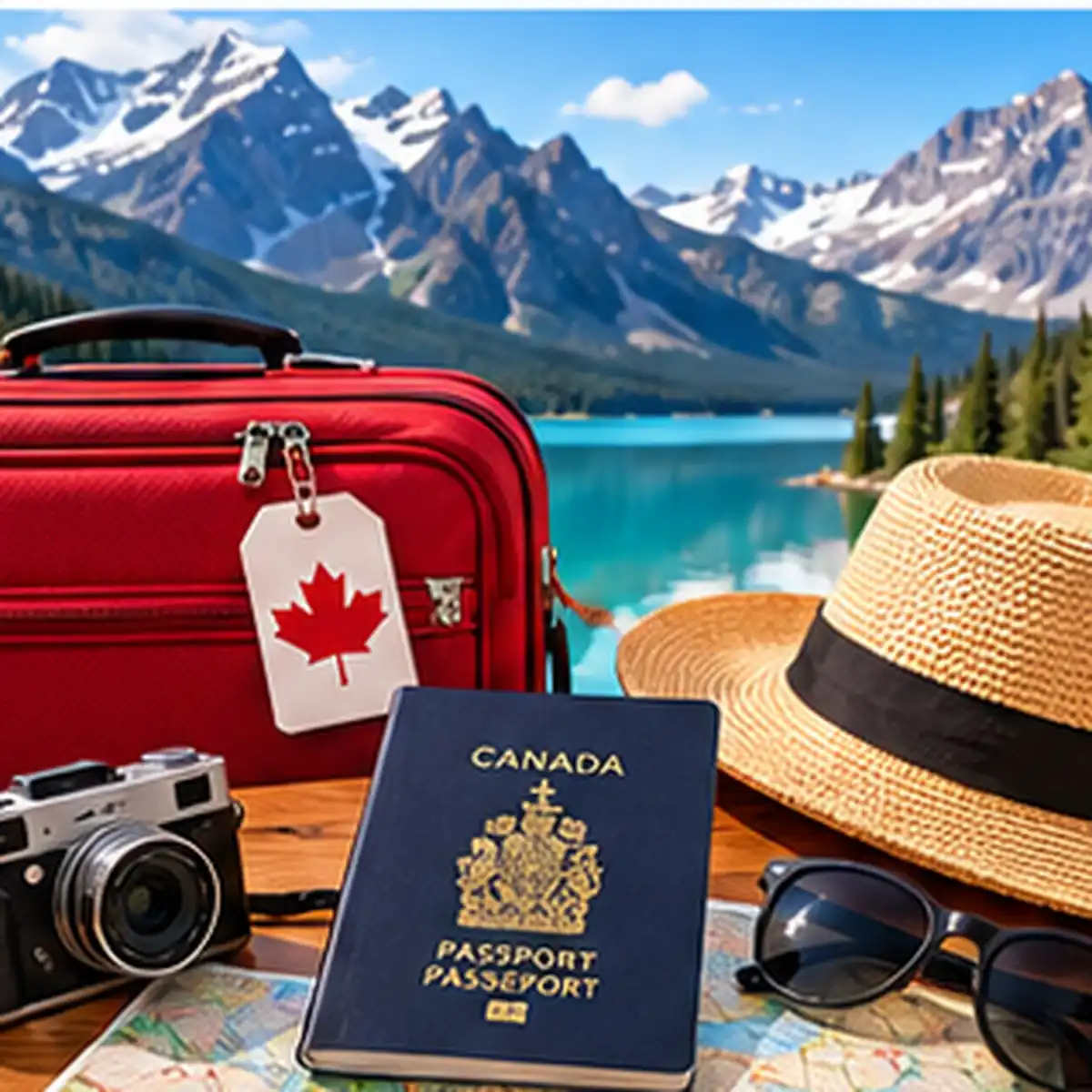
Online Loans for Travel Expenses in Canada: What Borrowers Should Consider
 Travel can provide opportunities to visit family, attend important events, and discover new destinations. However, transportation, accommodation, meals, and other travel-related costs can quickly become expensive. Canadians investigating online loans for travel expenses in Alberta should carefully evaluate whether borrowing is appropriate for their circumstances. Understanding the full cost of a trip, exploring ways to reduce expenses, and considering repayment obligations can help travellers make responsible financial decisions.
Understanding Different Types of Travel Expenses
Travel costs vary considerably depending on the destination and purpose of the journey.
A domestic trip to visit relatives may involve transportation and accommodation expenses.
International travel can also include passport fees, currency exchange costs, travel insurance, and additional transportation arrangements.
Other expenses, such as meals, baggage charges, and local transportation, may increase the final amount.
Before considering financing, prepare a realistic estimate covering the complete journey.
This can help prevent unexpected expenses from becoming additional borrowing requirements.
Essential Travel Versus Optional Travel
The purpose of a trip is an important consideration when evaluating financing.
Travelling to attend an important family event or respond to an emergency may involve different priorities from planning a recreational vacation.
Optional travel generally provides more flexibility.
A holiday may be postponed until enough money has been saved.
For necessary travel, delaying the trip may not be practical.
Even in urgent circumstances, however, comparing available transportation and accommodation options can help control costs.
Creating a Realistic Travel Budget
A useful travel budget should include both major expenses and smaller costs.
Start with transportation and accommodation.
Next, calculate expected spending on meals, local transportation, insurance, and activities.
International travellers should also consider exchange rates and possible foreign transaction fees.
Include a reasonable allowance for unforeseen expenses.
A budget that covers only airline tickets and hotel reservations may underestimate the true cost of the trip.
Finding Ways to Reduce Travel Costs
Travellers can often reduce expenses through careful planning.
Comparing transportation providers, considering alternative travel dates, and selecting affordable accommodation may provide savings.
Travelling during less popular periods can sometimes reduce prices, although availability varies.
For domestic journeys, driving, bus services, or other transportation methods may be worth comparing.
Staying with relatives or friends may reduce accommodation expenses where appropriate.
Limiting unnecessary purchases during a trip can also help maintain the budget.
Understanding the Risks of Borrowing for Vacations
Borrowing for recreational travel creates a financial obligation after the experience has ended.
A loan may require payments for months or longer depending on the product.
Interest and borrowing fees can make the final cost considerably higher than the original travel budget.
Payday loans are particularly unsuitable for many discretionary travel expenses because of their high costs and short repayment requirements.
If repayment would interfere with essential household bills, postponing the trip may be more financially responsible.
Travel Emergencies and Unexpected Costs
Not all travel borrowing involves vacations.
A sudden family emergency may require transportation on short notice.
Even then, borrowing should be evaluated alongside other options.
Travellers might investigate whether airlines offer flexibility in certain circumstances or whether family members can help coordinate arrangements.
Travel insurance may also cover specific unexpected costs when the policy conditions are met.
Understanding available assistance and coverage may reduce the amount needed.
Building a Travel Savings Fund
For planned vacations or regular family visits, saving in advance can reduce reliance on credit.
Estimate the expected travel cost and divide it by the number of months available before departure.
For example, a $1,200 trip planned 12 months ahead would require saving $100 per month.
The appropriate savings target depends on the household’s available income and essential expenses.
Keeping travel savings separate from emergency savings can also help protect money intended for unexpected necessities.
Making Travel Decisions With Confidence
Travel can be meaningful and worthwhile, but the financial consequences should be considered carefully.
Before borrowing, compare total costs, evaluate alternatives, and determine whether repayment is affordable.
A trip that creates long-lasting financial stress may be less beneficial than one planned within available resources.
Canadians who budget realistically and save consistently can often enjoy travel opportunities without placing unnecessary pressure on future income.


